This review contains affiliate links, which earn me a small commission when you click and purchase, at no extra cost to you. Thank you for supporting my small business and allowing me to continue providing you a reliable resource for clean book ratings.
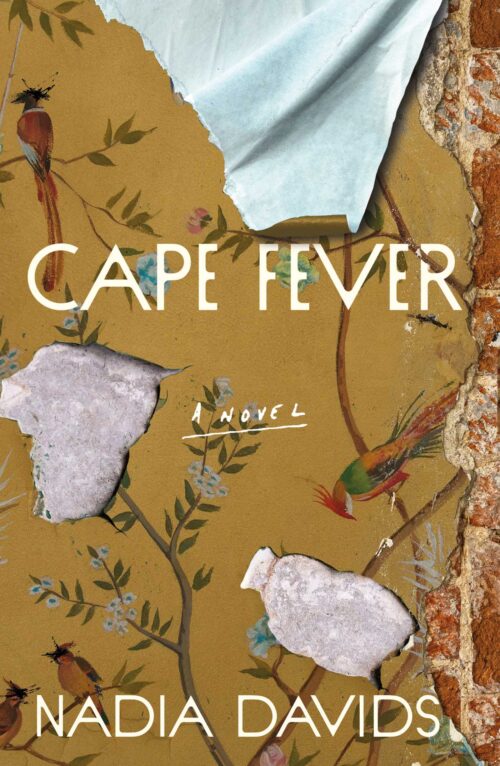
It’s 1920 in a small city in South Africa. Soraya has had to leave her job as a cook’s assistant and needs a new position. She applies to be a cook for a white woman living alone in a nice area of town. As it turns out, Mrs. Hattingh needs Soraya to be a cook and maid and to live in. It’s not precisely what Soraya wants, as she’d prefer to stay at home with her family, who lives nearby in the Muslim Quarter. But she doesn’t have a lot of options.
Mrs. Hattingh’s old mansion once was grand but is in need of repair in a number of places, and it’s clear the middle-aged widow is low on funds.
Nineteen-year-old Soraya is engaged, and with Mrs. Hattingh’s strict schedule, she now hardly has opportunities to see Nour, who also works away from their homes in the Quarter. So Mrs. Hattingh offers to help Soraya write letters back and forth with him. Soraya can read and write, but she had indicated to her employer that she could not. So the older woman magnanimously offers to be the scribe.
Soraya tries to make do at her job, as lonely and as oppressive as it is. Mrs. Hattingh treats her Muslim maid with a combination of condescension and supposed kindness. A kind of support for her is the two spirits that inhabit the house: Soraya is used to being able to see and communicate with spirits, and their presence gives her some friends of sorts.
As time goes on, Mrs. Hattingh pulls the strings of control tighter around Soraya, restricting time with her family and Nour, even as she controls her access to the letters “they” send to Nour. Soraya comes to a breaking point where all that matters to her is threatened, and she must find a way out.
Cape Fever put me solidly in the shoes of Soraya, with the day-in-day-out microaggressions she suffers from her white employer. I know in my head/logically what so many people of color have experienced in these positions (and still do even now), but it was so infuriating to be along with her. Davids does an excellent job drawing in the reader. I love gothic tales, and this was touted as that genre, but to me, though it does have gothic aspects, it was more a subtle tale of class struggle in that place and era. I have read very little set in the 1920s in Cape Town, South Africa, and it gave me a jumping-off place — as great books do — to research a bit and learn more. I particularly didn’t know about the Muslim population in the area; I had only been aware about Blacks and Afrikaners at the time of apartheid. Time to do some more reading!
Rated: Mild. Profanity includes a few instances of moderate profanity, 5 or 6 uses of mild language, and a dozen instances of the name of Deity in vain. Sexual references include kissing and some allusions to talking about more. There are maybe two or three very brief allusions to sexual assault having occurred. There are also brief allusions to violence like hitting.
Click here to purchase your copy of Cape Fever on Amazon.
*I received an ARC in exchange for my honest review.